
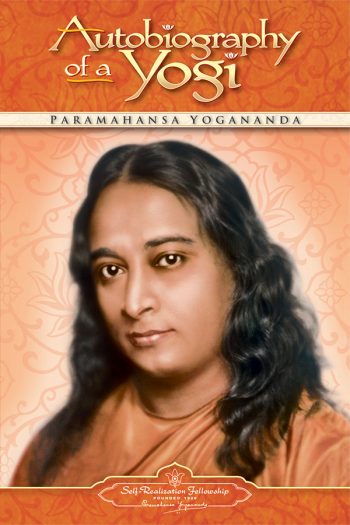
Autobiography of a Yogi

A typical caption

Autobiography of a Yogi

Yogananda’s life story, Autobiography of a Yogi, was published in 1946 and expanded by him in subsequent editions. The book has been in continuous publication since it first appeared and has been translated into 50 languages, including Norwegian, Swedish and Danish. It is widely regarded as a modern spiritual classic. You can see a preview of the book or listen to an audiobook sample here.

Additional Works

Paramahansa Yogananda has provided translation and commentary on the original teachings of Bhagavan Krishna called “God Talks with Arjuna: The Bhagavad Gita”. He also provided revelatory commentary on the original teachings of Jesus Christ entitled “The Second Coming of Christ – The Resurrection of the Christ Within You.”.

Other publications

For other publications and magazine, please visit http://bookstore.yogananda-srf.org/ .
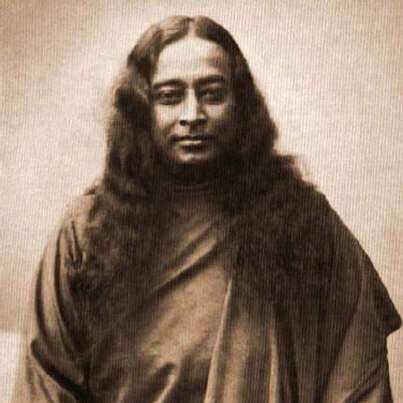
About Paramahansa Yogananda

Paramahansa Yogananda was born Mukunda Lal Ghosh on January 5, 1893, in Gorakhpur, India, into a devout and well-to-do Bengali family. From his earliest years, it was evident to those around him that the depth of his awareness and experience of the spiritual was far beyond the ordinary. 

Both his parents were disciples of Lahiri Mahasaya, the renowned master who was instrumental in reintroducing Kriya Yoga in modern India. When Yogananda was an infant in his mother’s arms, Lahiri Mahasaya blessed him and foretold: “Little mother, thy son will be a yogi. As a spiritual engine, he will carry many souls to God’s kingdom.”

It was in 1910, at the age of 17, that he met and became a disciple of the revered Swami Sri Yukteswar Giri. After Yogananda graduated from Calcutta University in 1915, he took formal vows as a monk of India’s venerable monastic Swami Order. It was this time he received the name Yogananda (signifying bliss, ananda, through divine union, yoga). His ardent desire to consecrate his life to the love and service of God thus found fulfillment.

He founded Self-Realization Fellowship (1920) and Yogoda Satsanga Society of India (1917), which continue to carry on his spiritual legacy worldwide today.